
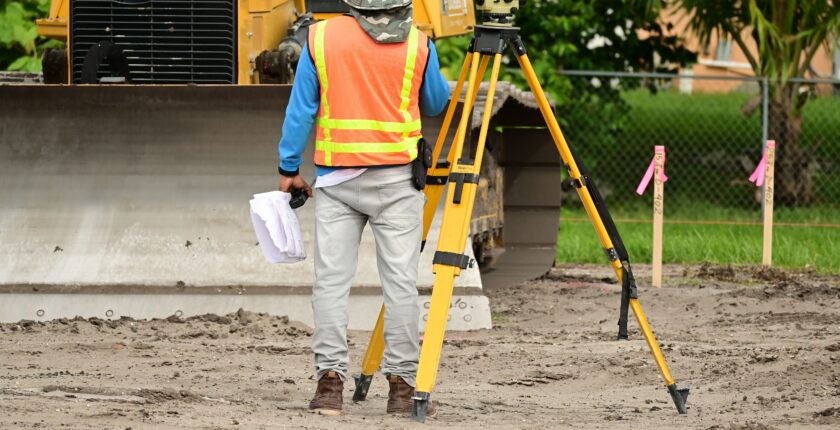
Heavy Civil Construction Jobs: Top Career Opportunities in 2026
The infrastructure boom shows no signs of slowing down, and with it comes a surge in demand for skilled professionals across the country. From highways and bridges to water systems and energy projects, heavy civil construction jobs are among the fastest-growing career paths in 2026. For job seekers looking for stability, strong pay, and long-term growth, this sector offers some of the most rewarding opportunities in engineering and construction today.
Why Heavy Civil Construction Jobs Are Booming in 2026
Government infrastructure spending, aging public works, and ongoing urban expansion are fueling a steady pipeline of large-scale projects. As a result, heavy civil construction jobs are no longer limited to a handful of regions they are opening up nationwide. Contractors need experienced superintendents, project engineers, estimators, and skilled tradespeople to keep projects on schedule and within budget.
This demand is also driven by a generational shift. Many experienced professionals are retiring, creating a gap that companies are eager to fill with qualified talent. For job seekers, this means heavy civil construction jobs in 2026 come with competitive salaries, clear advancement paths, and long-term job security.
In-Demand Roles in Heavy Civil Construction
The variety of heavy civil construction jobs available today makes this field accessible to professionals at every career stage. Some of the most sought-after positions include:
- Project Managers and Project Engineers – overseeing schedules, budgets, and subcontractor coordination on large infrastructure builds.
- Superintendents – managing day-to-day field operations, safety compliance, and crew productivity.
- Civil Engineers – designing and reviewing plans for roads, bridges, utilities, and earthwork systems.
- Estimators – preparing accurate bids for highway, utility, and site development projects.
- Equipment Operators and Foremen – running and supervising heavy machinery for grading, excavation, and paving work.
Each of these roles plays a critical part in delivering complex infrastructure projects safely and efficiently, making heavy civil construction jobs an ideal fit for professionals who enjoy hands-on, high-impact work.
Skills That Set Top Candidates Apart
While technical knowledge is essential, employers hiring for heavy civil construction jobs are increasingly looking for candidates who combine field experience with strong leadership and communication skills. Familiarity with project management software, blueprint reading, OSHA safety standards, and earthwork or grading principles can give candidates a significant edge. Professionals who can manage multiple stakeholders from subcontractors to municipal inspectors are especially valuable in 2026’s fast-paced project environments.
Where to Find the Best Heavy Civil Construction Jobs
One of the biggest challenges in this industry isn’t a lack of opportunity it’s finding listings that are accurate, relevant, and posted by legitimate employers. Many job seekers waste valuable time sifting through outdated or irrelevant postings on generic job boards. That’s why more professionals are turning to platforms built specifically for the engineering and construction industry, where listings are vetted and tailored to the sector’s real hiring needs.
Conclusion
As infrastructure investment continues to accelerate, heavy civil construction jobs will remain one of the most promising career paths for engineers, project managers, and skilled tradespeople in 2026 and beyond. Whether you’re an experienced superintendent or an engineer just starting out, now is the time to explore what this growing field has to offer.
If you’re ready to take the next step, Engineering.Contractors is here to help. As a job platform built exclusively for engineering and construction professionals, Engineering.Contractors connects skilled talent with legitimate, high-quality employers cutting through the noise of generic job boards. Whether you’re searching for your next opportunity or hiring for your next big project, Engineering.Contractors helps you connect with confidence. Contact us today to explore current openings or to start finding the right talent for your next project.
Frequently Asked Questions
1. What are heavy civil construction jobs?
Heavy civil construction jobs involve building and maintaining large-scale infrastructure such as roads, highways, bridges, water systems, and utilities. These roles range from field labor and equipment operation to engineering, estimating, and project management.
2. Why are heavy civil construction jobs in high demand in 2026?
Increased infrastructure spending, aging public works, and a wave of retirements among experienced professionals are creating a steady need for skilled workers across the heavy civil construction sector.
3. What qualifications are needed for heavy civil construction jobs?
Requirements vary by role, but most positions call for a mix of field experience, technical training, or a civil engineering degree, along with knowledge of safety standards, blueprint reading, and project management practices.
4. Which roles offer the best growth potential in heavy civil construction?
Project engineers, superintendents, and estimators often have strong advancement paths, as they gain broad exposure to project planning, budgeting, and on-site execution skills that translate well into senior management roles.
5. Do heavy civil construction jobs require travel?
Many heavy civil construction jobs are tied to specific project sites, which can mean regional or even out-of-state travel, especially for large infrastructure projects with multi-year timelines.
6. Where can I find legitimate heavy civil construction jobs?
Industry-specific platforms like Engineering.Contractors are designed to connect job seekers with verified, relevant listings from real employers in the engineering and construction space, reducing the time spent on outdated or irrelevant postings found on generic job boards.